
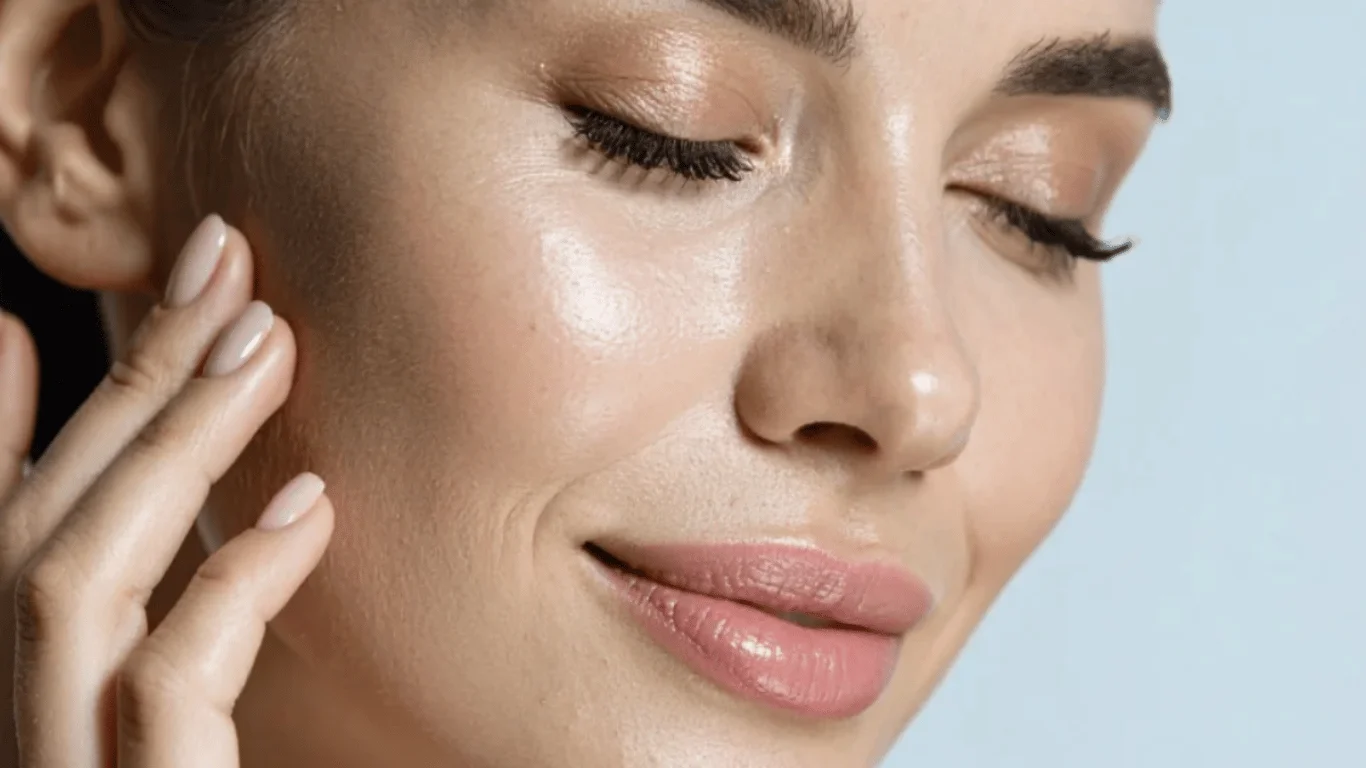
Non-surgical cosmetic procedures are treatments that do not involve surgery. In this guide, you’ll learn about 7 non-surgical cosmetic procedures available in Australia, what each procedure involves, the benefits they may offer, and the key points to discuss with a qualified health practitioner before making a decision.
What are Non-Surgical Cosmetic Procedures?
Non-surgical cosmetic procedures are treatments that modify appearance without surgical incisions. They do not involve open surgery and may not require general anaesthesia. These procedures may include laser treatments, professional skin therapies, and device-based technologies. For example, some treatments use heat, cold, light, sound, or radiofrequency energy.
Because of this, they are often chosen for those seeking gradual and controlled changes. Some treatments may support improvements in skin texture, tone, or overall appearance.
However, outcomes can vary between individuals and are not guaranteed. As with any cosmetic procedure, there are potential risks and side effects to consider. The type and severity of risks depend on the treatment and individual factors. For this reason, choosing a qualified and appropriately trained practitioner is important.
In Australia, awareness of skin health continues to grow. Approximately one-third of Australians had their skin checked by a doctor within a 12-month period. This highlights the increasing focus on skin care and professional assessment.
Before any treatment, a personalised consultation is required. During this time, suitability is assessed and potential risks, benefits, and alternatives are discussed. This process supports informed decision-making and helps set realistic expectations. In some cases, treatment may not be appropriate.
Non-surgical cosmetic procedures are sometimes referred to as aesthetic skin treatments. While terminology may vary, the focus remains on safe and appropriate care.
What are the Benefits of Non-Surgical Cosmetic Procedures?
Non-surgical cosmetic procedures are commonly chosen for a range of reasons. However, outcomes can vary between individuals, and suitability should be assessed during a consultation.
Some potential benefits may include:
- Minimal Downtime: Many treatments allow individuals to return to daily activities soon after. This can be helpful for those with busy schedules.
- Quick Treatment Sessions: Some appointments may be completed in under an hour. As a result, treatments can often fit into a routine without significant disruption. The exact duration depends on the treatment type.
- Supports Natural-Looking Changes: These treatments are designed to support subtle and gradual improvements. The aim is to enhance overall appearance while maintaining natural features. Outcomes can vary based on individual factors.
- Personalised Approach: Each treatment plan is tailored based on your skin and individual needs. A consultation helps assess suitability and outline appropriate options.
7 popular Non-Surgical Cosmetic Procedures
Non-surgical cosmetic procedures cover a broad range of options, from skin rejuvenation to facial contouring. Each procedure works differently and suits different skin concerns and goals.
Each procedure requires a personalised consultation to assess suitability. Below are some commonly performed non-surgical cosmetic procedures in Australia.
1. Fine Lines and Wrinkles
Fine lines and wrinkles are commonly addressed using procedures that target lines caused by repeated facial movements. The approach is determined during your consultation, based on individual assessment.
Common treatment areas include the forehead, frown lines, and around the eyes. Your practitioner will assess which areas are appropriate for you. Mild redness or swelling may occur after treatment. These effects are usually temporary and settle within a short period.
Results are not immediate. Some individuals may notice changes within one to two days. For example, Changes can be assessed around 2 weeks after treatment, depending on your individual response.
2. Facial Volume
Facial volume treatments are used to support areas where fullness has reduced over time. This may occur due to ageing, where collagen and fat levels decline. The procedure involves gels placed beneath the skin. Common areas include the cheeks, lips, jawline, and under the eyes.
The aim is to support facial balance and structure. However, outcomes depend on individual anatomy and treatment approach. There are risks associated with this treatment. These include swelling, bruising, lumping, and, in rare cases, vascular complications. A detailed consultation is required before proceeding.
3. Rejuran Salmon DNA Therapy
Rejuran is a skin-focused treatment that uses polynucleotides derived from salmon DNA. These are delivered into the skin using fine needles. This treatment is designed to support the skin’s natural repair processes. Common treatment indications include the area under the eyes, full face, neck, décolletage and acne scars. It may assist with hydration, texture, and overall skin quality.
Treatment is usually performed as a series of small injections across the skin. A topical anaesthetic may be used to help improve comfort. Responses to treatment vary between individuals. Multiple sessions may be recommended depending on your skin concerns.
4. Skin Bio-remodelling
Skin bio-remodelling uses a high concentration of hyaluronic acid. It is different from traditional volume-based treatments. Instead of adding volume, it is designed to support skin hydration and elasticity. It works by spreading within the tissue after placement.
Common treatment areas include the face, neck, and hands. These areas may show signs of skin thinning over time. The procedure typically involves a small number of placement points. A series of sessions may be recommended for optimal outcomes.
5. PRP / PRF Therapy
PRP and PRF treatments use components derived from your own blood. This is known as an autologous approach.
A small blood sample is taken and processed using a centrifuge. The separated components are then prepared for treatment. These components contain concentrated platelets and growth factors. They are reintroduced into the skin using fine needles or combined with other procedures.
PRP is a regenerative therapy commonly used for skin rejuvenation of the face, neck, décolletage, and hands. PRF is a modified version that releases growth factors more gradually. It may support volumise the area and reduce the deficit in the treated tissue. However, individual responses can differ. PRF is commonly used to reduce dark circles under the eyes, treat the tear trough, and reduce smile lines.
Suitability will be assessed during consultation.
6. Collagen Stimulator
Collagen stimulators are designed to support the body’s natural collagen production. They work gradually over time. Unlike volume-based treatments, results are not immediate. Changes may become noticeable as collagen develops within the skin.
These treatments are commonly used in areas with reduced structural support. This may include the cheeks, temples, and lower face. Initial fullness may occur due to the treatment process. This typically settles as the product integrates into the tissue.
7. PDO Threads
PDO thread treatments involve placing dissolvable threads beneath the skin. These threads are made from polydioxanone, a material used in medical sutures. Some threads are designed to support tissue positioning. Others are used to stimulate collagen production along their placement.
The number and type of threads depend on the area discussed during your consultation. After treatment, bruising, tenderness or mild swelling may occur. These effects are usually temporary.
Book a Consultation Today
Ready to explore your non-surgical cosmetic treatment options? Please call Diamond Aesthetics Sydney on Phone Number(02) 9000 56 11 to book a consultation. Our team will discuss your concerns, assess your individual needs, and provide personalised guidance on the treatment options that may be suitable for you.

0 Comments