
What Are Peptides in Skincare and What Do They Do for Skin? A Complete Australian Guide
If you’ve scanned the ingredient list on a serum lately, you’ve probably seen the word “peptide” more than once. Peptides in skincare are short chains of amino acids that act as messengers, telling your skin cells to produce more collagen, repair faster, and hold onto moisture. This guide explains what peptides are, the different types used in skincare products, and how to add them to a daily routine. A 2025 review in the journal Cosmetics traces how peptides have moved from pharmaceutical research into mainstream skincare formulation, reflecting how active this ingredient category has become in recent years.
What Are Peptides in Skincare?
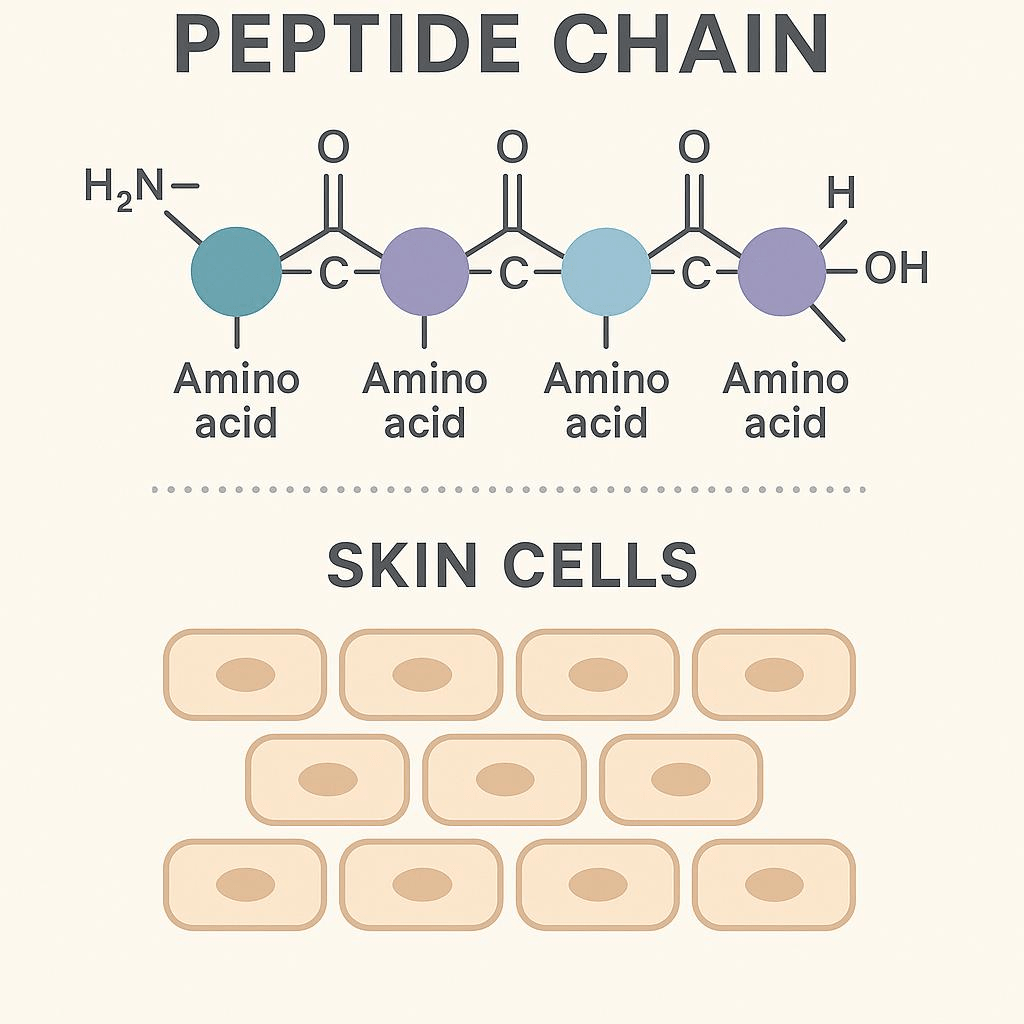
Peptides in skincare are short chains of amino acids, the same building blocks that make up proteins like collagen and elastin in your skin. A protein might contain hundreds of amino acids, while a peptide is typically much shorter, usually somewhere between two and fifty. This smaller size lets peptides penetrate the skin’s surface more easily and act as signals rather than structural material on their own.
Amino acids link together to form these chains, and each sequence tells skin cells to carry out a specific task. Some peptides are naturally occurring, produced within the body as part of normal skin function. Others are synthesised in a lab to mimic those natural sequences or to support specific skin functions, such as collagen production, skin repair, or the appearance of fine lines. Both types are used across Australian skincare products, from drugstore moisturisers to clinic-grade serums.
Peptides differ from other popular actives like hyaluronic acid or retinol in one key way: they don’t just hydrate or exfoliate; they communicate. A peptide binds to a receptor on a skin cell and triggers a specific biological response. This is why formulators often describe them as “messenger” ingredients rather than simple moisturising agents.
What Do Peptides Do for Skin?
Peptides support five core skin functions: collagen production, barrier repair, cell communication, hydration, and the appearance of fine lines and texture. Each function works through a slightly different mechanism. All of them relate back to how your skin maintains structure, moisture, and resilience over time. Below is a plain-English breakdown of what each one actually does.
Supports Collagen and Elastin Production
Peptides signal fibroblasts, the cells responsible for building collagen and elastin, to increase their output. Signal peptides in particular work by activating pathways inside fibroblasts that ramp up production of these structural proteins along with hyaluronic acid. Collagen and elastin are what give skin its firmness and bounce, and both naturally decline with age and sun exposure. Regular use of a peptide serum may help support the look of firmness and a smoother surface over time. Results depend on the specific peptide, its concentration, and the consistency with which the product is used.
Collagen peptides are also worth exploring when learning about peptides and skin firmness. Their uses and effects depend on the type of peptide and how it is formulated. Read our guide to Collagen Peptides for more information.
Support Skin Repair and Barrier Function
Peptides help the skin rebuild its protective outer layer more efficiently. The skin barrier is the outermost part of the epidermis, and it locks in moisture while keeping out irritants, pollution, and bacteria. Certain peptides, particularly carrier peptides, deliver trace elements such as copper and zinc to the skin, thereby supporting enzymatic processes involved in tissue repair. A well-functioning barrier means less water loss, fewer signs of sensitivity, and a more resilient-looking complexion overall. Barrier-focused formulas like Synergie DermaCalm Moisturiser use peptides for exactly this purpose, easing redness and irritation while supporting repair.

Improve Skin Cell Communication
Peptides act as chemical messengers that instruct fibroblasts, keratinocytes, and other skin cells to carry out specific repair or renewal tasks. This signalling role is what separates peptides from ingredients that simply sit on the skin’s surface. Many cosmetic peptides are modelled on fragments the body already produces during its own repair processes, which is part of why they tend to be well tolerated. Depending on the sequence, a peptide might be formulated to encourage collagen output, help even out the look of pigmentation, or support the skin’s natural defences. For clients exploring professional options that work on this same cellular level, treatments like exosome therapy use a similar signalling approach in a clinical setting.
Boost Hydration and Moisture Retention
Peptides support the skin’s ability to hold onto water, helping it look plumper and more supple. Some peptide sequences help strengthen the skin’s natural moisture barrier, which reduces water loss through the surface layer. Others support the skin’s own production of hyaluronic acid, a molecule known for its water-binding capacity. Well-hydrated skin also tends to show fine lines less, since dehydration can make existing lines appear more pronounced. Pairing a peptide serum with a hydrating moisturiser gives dry or dehydrated skin extra support from both angles.
Help Smooth the Look of Fine Lines and Uneven Texture
Peptides support smoother-looking skin in two main ways: by helping preserve existing collagen and by easing the appearance of expression lines. Enzyme inhibitor peptides work by slowing the breakdown of collagen and elastin that’s already in the skin, helping maintain existing structural support for longer. Neurotransmitter peptides, such as argireline, work differently. They soften the appearance of lines caused by repeated facial movement around the eyes and forehead. Used together or separately, these peptide types support an overall smoother, more even-looking skin texture with consistent use.
Types of Peptides Used in Skincare
Not all peptides do the same job. Skincare formulators generally group them into five functional categories, each targeting a different part of the skin’s repair and renewal process.
Signal Peptides
Signal peptides are the most common type used in skincare for skin ageing concerns, and their primary role is to stimulate fibroblasts to produce more collagen. Copper peptides and palmitoyl pentapeptides fall into this group. They work by mimicking fragments of collagen that the body naturally produces during wound healing, which tricks fibroblasts into ramping up collagen synthesis as though repairing an injury.
Carrier Peptides
Carrier peptides deliver trace minerals, most often copper, to skin cells to support enzyme activity involved in wound healing and collagen crosslinking. Copper peptide complexes are a well-known example, often marketed for their role in supporting skin repair and a more resilient-looking complexion.
Neurotransmitter Peptides
Neurotransmitter peptides, sometimes called neuropeptides, work by softening the appearance of expression lines caused by repeated facial movement. Argireline, a synthetic hexapeptide, is the most widely used ingredient in this category. It’s formulated to soften the appearance of fine lines around the eyes and forehead over time. Products built around this category, such as Synergie Super Serum+, combine several of these peptides at once to support the appearance of smoother-looking skin.

Enzyme Inhibitor Peptides
Enzyme inhibitor peptides work by slowing the activity of enzymes that break down existing collagen and elastin in the skin. Rather than boosting new collagen production, this category focuses on preserving what’s already there, helping to maintain the skin’s existing structural support for longer.
Antimicrobial Peptides
Antimicrobial peptides support the skin’s natural defence system by helping to manage the balance of bacteria on the skin’s surface. This category is particularly relevant for people managing breakout-prone or sensitive skin, since a balanced microbiome plays a role in overall skin comfort and appearance.
How to Use Peptides in Your Skincare Routine
Peptides work best when layered into a routine in a specific order, applied to clean skin, and followed by a moisturiser and SPF to lock in the benefits. Peptides are signalling molecules rather than exfoliants or actives with strong pH requirements, so they generally pair well with most other skincare ingredients. Even so, the order of application still matters for absorption.
After microneedling, follow your practitioner’s aftercare advice before reintroducing peptide-based skincare products. Read our guide to Peptides After Microneedling for more information.
Step 1: Cleanse and Prepare Your Skin
Start with a gentle, pH-balanced cleanser to remove makeup, sunscreen, and daily buildup without stripping the skin barrier. Peptides absorb best on clean, slightly damp skin, so avoid over-drying the skin with harsh cleansers before application.
Step 2: Apply a Peptide Serum or Moisturiser
Apply a peptide serum directly after cleansing, while the skin is still slightly damp, to help with absorption. Look for products listing specific peptide complexes, such as copper tripeptide-1 or palmitoyl pentapeptide-4, rather than vague “peptide blend” labelling. Concentration and formulation quality affect how well the product performs.
Step 3: Lock in Moisture and Wear SPF (Morning)
Follow with a moisturiser to seal in the peptide serum and support the skin barrier, and finish every morning routine with a broad-spectrum SPF. Sun protection is essential because UV exposure breaks down collagen faster than almost any other external factor, which works directly against what peptides are trying to support.
Pairing Peptides With Other Active Ingredients
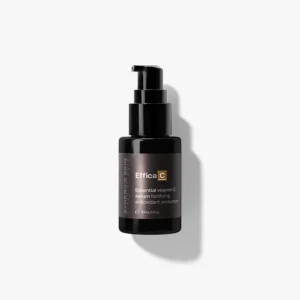
Peptides generally layer well with niacinamide, vitamin C, and retinol, though timing and concentration matter. Niacinamide and peptides pair easily since both are gentle and support barrier function, making them a common combination in morning and evening routines alike. Vitamin C works well when used in the morning underneath a peptide moisturiser, since vitamin C supports antioxidant protection while peptides focus on signalling and repair. Formulas like Synergie EfficaC combine both actives in a single serum, which can simplify a morning routine for people who’d rather not layer separate products.
Retinol requires more care. Because retinol increases skin cell turnover and can cause temporary sensitivity, many clinicians recommend using retinol at night and reserving peptide serums for the morning, or alternating nights between the two to avoid over-exposing the skin barrier. If you’re unsure how to combine actives for your specific skin type, a consultation with a qualified clinician can help you build a routine that fits your skin’s tolerance.
Frequently Asked Questions
Can I use peptides with vitamin C and retinol together?
Yes, with some care around timing. Peptides pair well with vitamin C in the morning, since vitamin C focuses on antioxidant protection while peptides handle signalling and repair. Retinol is best kept separate, either used at night while peptides are reserved for the morning, or alternated on different nights, since retinol increases cell turnover and can temporarily heighten skin sensitivity.
How long does it take to see results from peptide skincare?
Most people notice gradual changes in skin texture and firmness over several weeks to a few months of consistent use. Peptides work by signalling skin cells to support collagen production and repair, which is a cumulative process rather than an immediate effect. Consistency, concentration, and the specific peptide sequence used all affect the timeline.
Are peptides suitable for sensitive skin?
Peptides are generally well tolerated because many are modelled on sequences the body already produces during its own repair processes. That said, individual sensitivity varies, and some formulations combine peptides with other actives (like retinol or acids) that may be more likely to cause irritation. A patch test and a chat with a qualified skin practitioner can help confirm suitability for your skin type.
Why Peptides Matter in Skincare
Peptides matter because they address the underlying biological processes behind visible ageing, rather than just sitting on the skin’s surface. Peptides send direct signals to skin cells to support collagen production, barrier repair, and cellular communication, which is why they’ve become a mainstay of long-term skincare strategy rather than a short-term trend.
For most people, a consistent topical peptide routine supports gradual, visible improvements in skin texture and firmness over several weeks to months.
For those looking for a more targeted or accelerated approach, in-clinic options such as skin bio-remodelling or a professional collagen stimulator treatment work on similar collagen-support pathways under clinical supervision. Diamond Aesthetics also stocks peptide-formulated serums and moisturisers in the online store for clients building out a daily routine at home.
Reference : Tang, Y., Nie, T., Zhang, L., Liu, X., & Deng, H. (2025). Peptides in Cosmetics: From Pharmaceutical Breakthroughs to Skincare Innovations. Cosmetics, 12(3), 107

0 Comments